



How to Choose an Industrial Access Equipment Supplier in NZ
Key Takeaways
Choosing access equipment works best when you start with the task, site and expected frequency of use. Compare the complete operating arrangement, not just the equipment or quoted rate.
- Define the required height, reach, capacity and working conditions
- Match the equipment type to the task, available space and floor conditions.
- Confirm safety information, inspection records and operator guidance.
- Check delivery, servicing and support arrangements before committing.
- Compare total costs and terms against your operational needs.
Define Your Access Requirements
Choosing an industrial access equipment supplier in NZ starts with understanding the work your business needs to carry out. Consider the task, the site and how frequently access will be required, rather than beginning with a particular product. These details help you ask more useful questions and compare suitable options on a like-for-like basis. They can also help you decide whether purchasing equipment or arranging access for a specific job is more appropriate.
Identify the Work Height, Reach and Working Environment
Record the height workers need to reach and whether the task requires vertical access, outreach or movement between work areas. Consider what people will need to do once elevated, such as picking stock, carrying out maintenance or handling materials.
The surrounding environment matters too. Assess obstructions, nearby activity and whether the work takes place indoors or outdoors. Providing clear task information makes it easier to assess the actual operating conditions with a supplier.
Consider How Often the Equipment Will Be Used
Frequency of use affects the practical choice between owning equipment and arranging access only when a job arises. For regular use, consider where the equipment will be stored, who will operate it and how it will fit into daily work.
For occasional or short-term tasks, consider what access arrangements are available and what their terms include. Think about likely changes in workload as well as current demand.
Account for Site Access, Ground Conditions and Storage
Measure access routes, doorways and other pinch points before selecting equipment. Check the floor surface, slopes and available turning space, and consider how the equipment will be moved between work areas.
Storage is easy to overlook, but equipment that cannot be stored conveniently may disrupt the workplace or be less readily available when needed. Share these site details with the supplier before requesting a recommendation.
Decide Whether to Buy, Hire or Use a Mix of Both
The right arrangement depends on how predictable the work is, how long the equipment is needed and what resources you have to manage it. A few practical questions can help frame the decision:
- How many days or shifts will the equipment be used?
- Is demand steady, seasonal or tied to one project?
- Can your team manage storage, inspections and upkeep?
- Would different tasks require different equipment?
Use your answers to compare the full commitment, not just the purchase price or a daily hire rate. A mixed approach may also be worth considering if regular work and occasional specialist tasks have different access needs.
Compare Equipment Range and Suitability
A supplier’s range should make it possible to discuss different equipment types against your task, rather than forcing every job into one solution. Consider how people will approach the work, what they need to carry and whether they must reposition equipment during the task.
For warehouse and industrial use, small differences in platform layout or mobility can affect how well equipment fits the workflow. Ask for product information that helps you verify the suitability of the proposed equipment.
Check Which Access Solutions Suit Your Tasks
Start by distinguishing between access for picking, maintenance, elevated work and movement of goods. A fixed work area may call for a different approach from a task that requires frequent repositioning or access to a mezzanine.
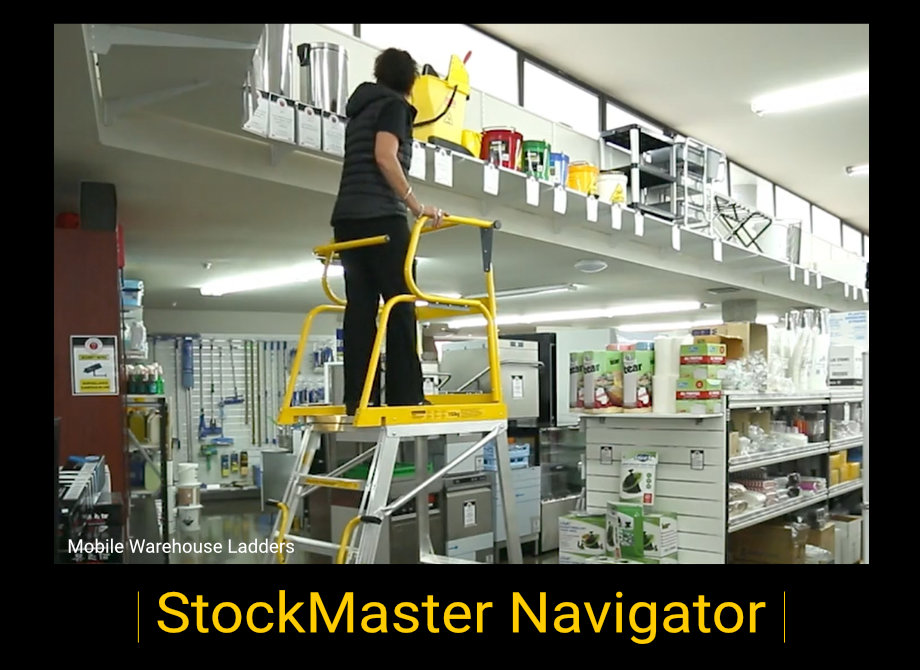
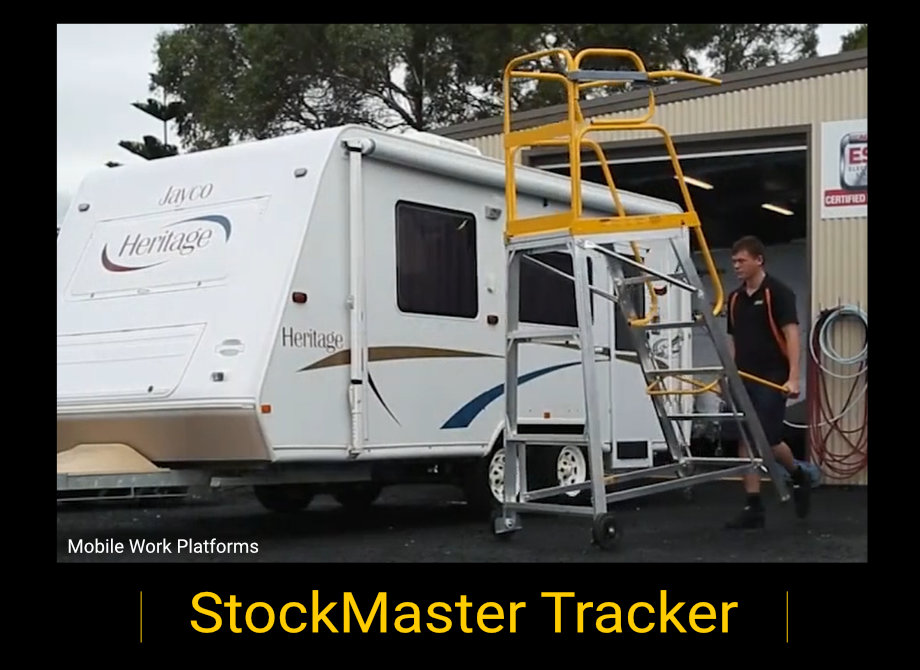
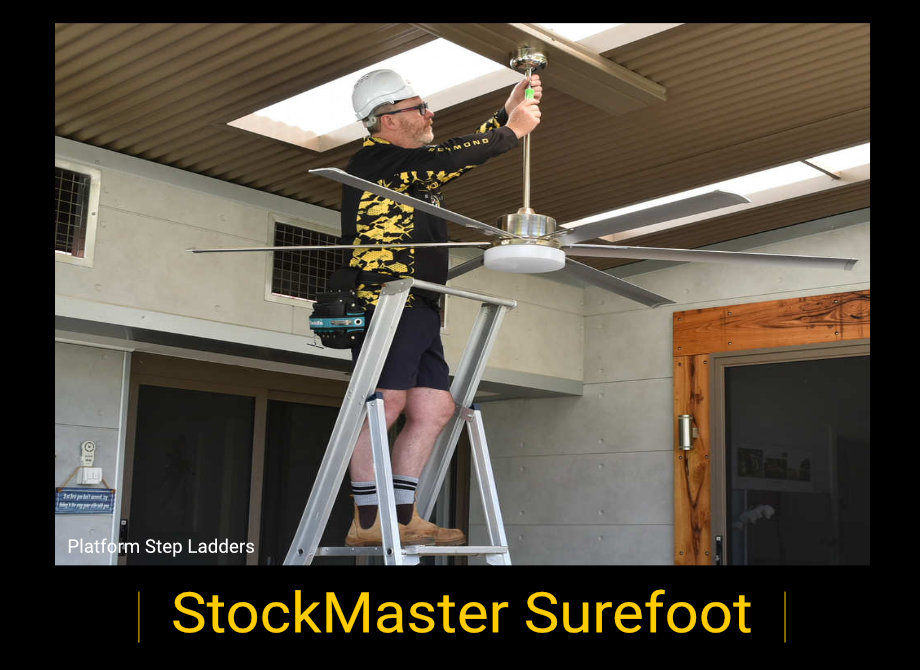
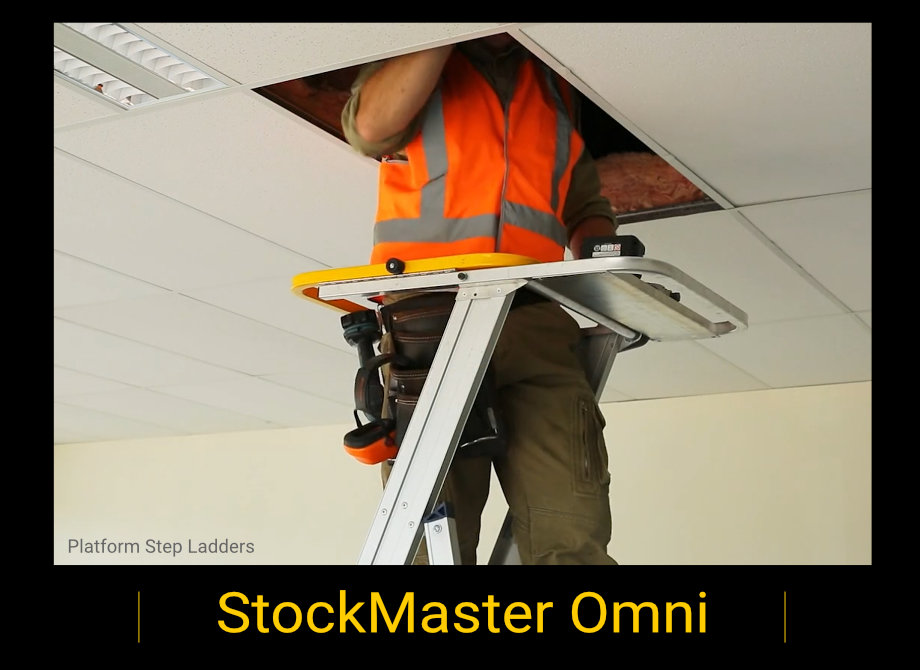
For warehouse floor work, StockMaster mobile work platforms include the Tracker and Omni. These are designed as stable, easy-to-reposition solutions for construction, maintenance, industrial and general-purpose work. Check the product details against the task and site rather than relying on the category name alone.
Match Platform Capacity to People, Tools and Materials
Consider everything that will be on the platform at once: the operator, tools and any materials required for the task. Check the stated capacity and intended use in the product information, and ask the supplier to clarify anything that is not clear.
The following comparison prompts can help you assess whether you have provided enough detail:
What to assess | Information to confirm | Why it matters |
|---|---|---|
People | Number of users permitted | Helps check suitability for the task |
Tools and materials | Combined load and handling needs | Clarifies what must be accommodated |
Work activity | Duration and movement required | Helps distinguish between access needs |
Use the confirmed product limits and instructions when making a decision. Do not infer capacity from platform size or appearance. If the job changes, revisit the assessment rather than assuming the original choice remains suitable.
Consider Indoor, Outdoor and Restricted-Space Requirements
Indoor work may involve narrow aisles, doorways, sensitive floor surfaces or nearby staff and equipment. Outdoor work can bring different surfaces and exposure to weather, so ask what operating conditions the equipment is designed for.
In either case, check the available footprint and route to the work area before you order equipment or arrange access. Where picking and shelf access are routine, StockMaster order-picking ladders are designed for picking, shelf stocking and elevated work across different floor surfaces and warehouse layouts.
Ask About Compatible Attachments and Accessories
Do not assume an attachment or accessory is compatible simply because it appears useful for the task. Ask the supplier to confirm what is approved for the specific equipment and whether it changes the operating instructions or limits.
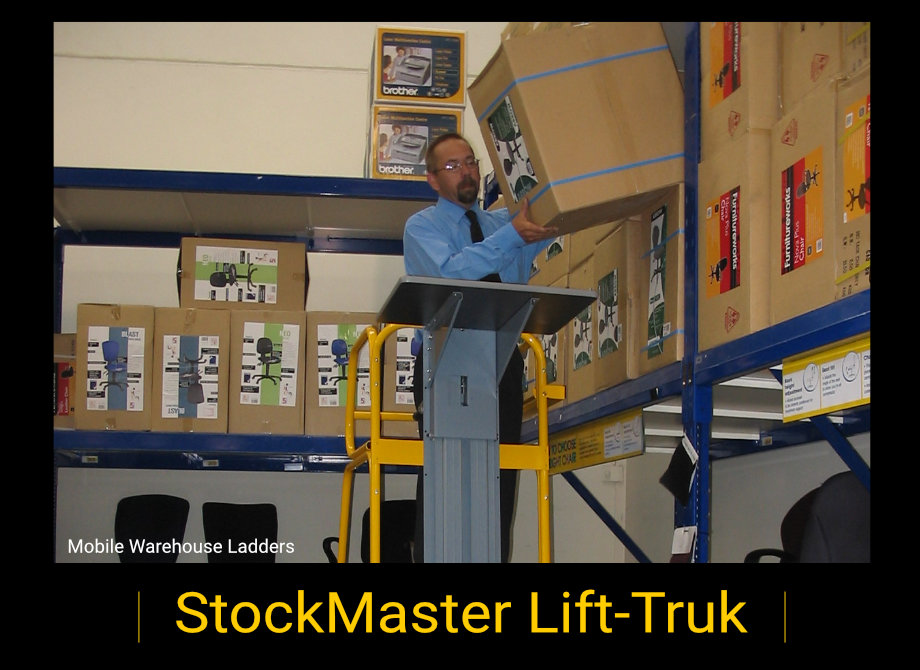
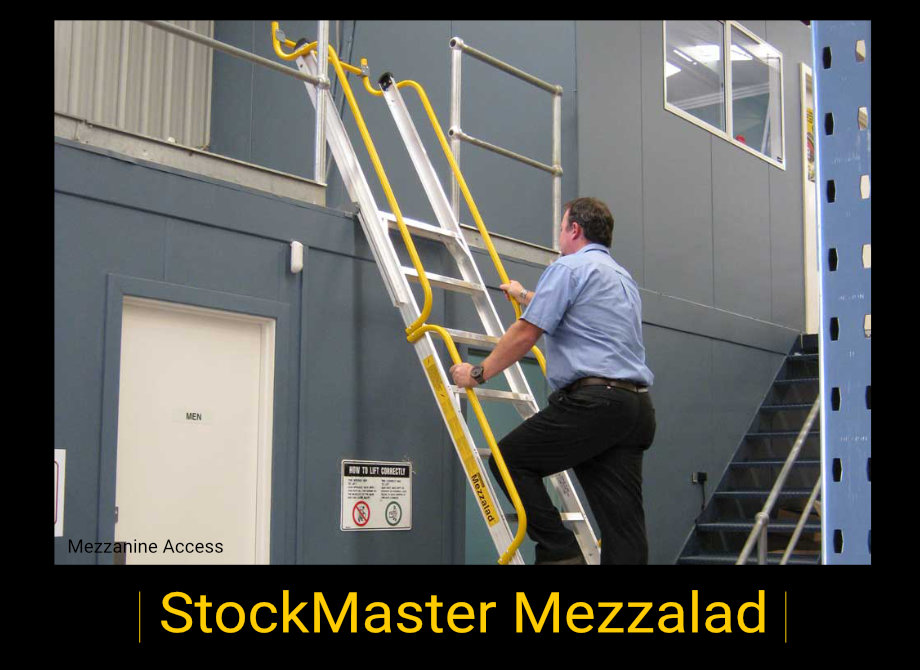
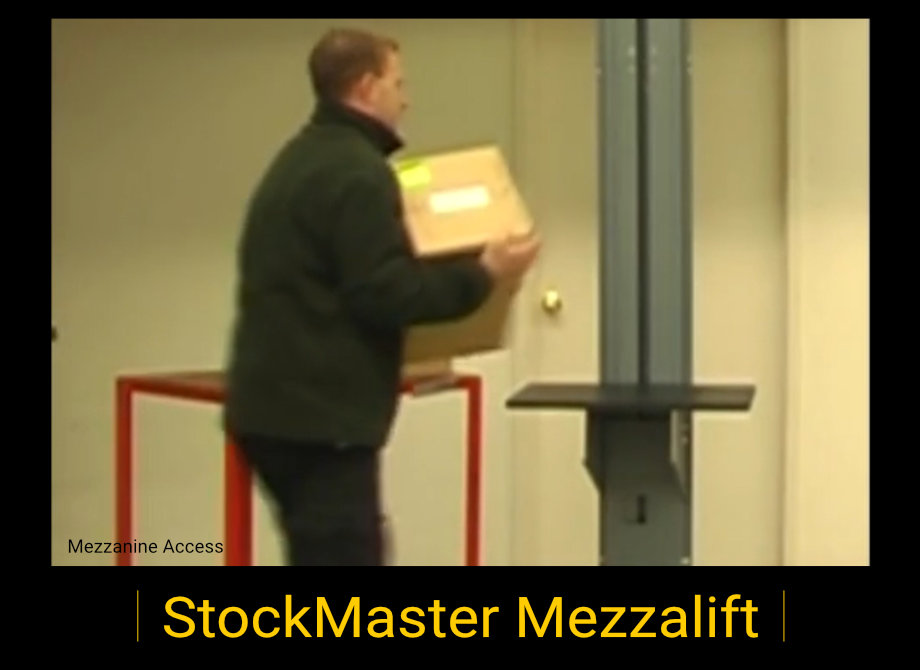
For work involving elevated storage, StockMaster mezzanine access equipment includes the Mezzalad personnel ladder for accessing mezzanine floors and elevated areas, as well as the manually operated Mezzalift goods lift, rated to 60 kg. Check the product information carefully to confirm which option addresses your needs.
Check Safety and Compliance
Safety checks should be part of supplier selection from the outset, not a final question after equipment has been chosen. Ask for product-specific information and make sure it suits the intended users, task and site.
Your health and safety lead should assess the proposed equipment against relevant New Zealand requirements and workplace procedures. Keep a record of what was confirmed and who is responsible for each step.
Confirm Equipment Meets Relevant New Zealand Requirements
Ask the supplier for documentation that identifies the equipment, its intended use and applicable safety information. Then check that information against the requirements that apply to your workplace and the task.
Do not assume that a general statement about a product range establishes compliance for every model or use. Where anything is unclear, seek guidance from your health and safety adviser before putting the equipment into service.
Ask for Inspection, Maintenance and Certification Records
For equipment already in use or supplied for hire, ask what inspection and maintenance records are available and what they cover. Check that records relate to the specific item, not just a general product type.
If certification or other evidence is relevant to your purchasing decision, clarify what has been issued, by whom and for what purpose. Keep copies with your workplace equipment records.
Check Operator Training and Safe-Use Guidance
Confirm what training or familiarisation operators need before using the equipment. Ask for the operating instructions, warnings and any guidance on setting up or moving it.
Make sure the information is accessible to the people who will use the equipment, including relief staff where relevant. A supplier’s explanation can support your process, but it does not replace your own assessment of worker competence.
Understand Pre-Start Checks and Ongoing Inspection Responsibilities
Agree who will carry out pre-start checks, what they need to look for and how faults will be reported. Ask how often further inspections are required under the applicable instructions and workplace procedures.
Set out how equipment will be taken out of service if damage or a fault is found. Clear responsibilities make it less likely that checks are missed between shifts or changes in operators.
Assess Your Access Equipment Supplier’s Expertise and Support
A supplier should be able to understand the work you describe and explain what information is needed to assess equipment suitability. Look for clear, practical answers rather than a recommendation made without discussion of the site or task.
Support matters both before a decision and during the equipment’s working life. Confirm what is actually included in the offer and what must be arranged separately.
Look for Experience with Industrial Applications
Ask whether the supplier has worked with tasks and environments similar to yours, such as warehousing, manufacturing or logistics. A useful conversation will address the specific work, space constraints and operating pattern rather than relying on broad claims.
You can also ask for examples of the kinds of applications the supplier regularly advises on, without treating another site’s approach as a substitute for your own assessment.
Ask How the Supplier Helps Select Suitable Equipment
Find out what information the supplier needs to make a recommendation. Task details, working height, access route, floor conditions and the load to be carried are a useful starting point.
Ask how the supplier explains equipment limitations and what product documentation they provide. If the proposal changes after a site visit or further discussion, request an updated explanation so your records reflect the final choice.
Check Access to Servicing, Repairs and Replacement Parts
Ask what servicing or repair options are available and whether work is carried out on site or at a workshop. Clarify how to request replacement parts, what information is needed and whether availability or timing can be confirmed.
Do not assume these services are included in a purchase or other arrangement. Written details help you plan maintenance and avoid uncertainty when equipment needs attention.
Clarify Emergency Support and Equipment Downtime Processes
Before committing, ask who to contact if equipment develops a fault and what response process applies. Find out what information your team should provide, such as the equipment model and a description of the issue.
Discuss how work will be managed if the equipment cannot be used, including any replacement or alternative arrangements that may be available. Confirm any response times or commitments in writing rather than relying on an informal assurance.
Review Delivery, Hire and Service Logistics
Logistics can determine whether suitable equipment is ready when and where you need it. Confirm the supplier’s delivery coverage, site access requirements and expected timing before setting a job date.
For hired equipment, clarify how delivery, collection and service visits fit around your work schedule. A practical plan can reduce disruption, particularly in busy workplaces with limited space.
Confirm Delivery Coverage and Lead Times
Provide the delivery address and explain any site restrictions, such as limited access hours or vehicle constraints. Ask whether the supplier can deliver to your location and what lead time applies to the selected equipment.
Check whether the delivery date is confirmed or indicative, and allow for any steps your team must complete before arrival. Make sure a site contact is available to receive the equipment.
Check Setup, Commissioning and Collection Arrangements
Clarify who is responsible for unloading, setup and any commissioning required before use. Ask what your team should inspect on delivery and what to do if the equipment or accompanying documentation does not match the order.
For hired items, confirm when and how collection will take place. These details help avoid confusion over handover and responsibility.
Understand Hire Periods, Extensions and Return Conditions
Read the hire terms for the agreed start and end dates, extension process and any charges that may apply. Check how much notice is needed to extend the period and how to arrange an early return if the job finishes ahead of schedule.
Ask what condition the equipment must be in at collection and how damage is assessed. Keep the agreement accessible to the people managing the hire on site.
Plan for Servicing at Your Site or at the Supplier’s Workshop
Ask where routine servicing will take place and how equipment will be transported if workshop servicing is required. If work is done at your site, clarify access, scheduling and any preparation needed.
Consider whether service visits could interrupt production or warehouse activity. Build those practical arrangements into your maintenance plan rather than treating them as an afterthought.
Compare Total Cost and Supplier Terms
A useful comparison accounts for the entire arrangement over the period you expect to use the equipment. The lowest quoted price may not include delivery, servicing or the support you need, while a higher initial cost may include items that matter to your operation.
Request written quotes using the same assumptions about task, duration and service. Then check each offer against your actual requirements.
Look Beyond the Purchase Price or Hire Rate
Add the costs that apply to your use, including delivery, collection, setup, servicing and any required accessories.
For a purchase, consider the expected period of use and the resources needed to store and maintain the equipment. For hire, check how rates change with duration and what happens if the job overruns. Comparing the whole cost helps you see where offers differ.
Check What Is Included in Servicing and Support
Read the quote and terms to identify which support is included, when it is available and whether additional charges apply. Ask about the process for routine servicing, repairs and technical questions, and confirm what your team must do.
A broad phrase such as “support included” is not enough to plan around unless its scope is clear. Request clarification in writing where needed.
Review Warranties, Exclusions and Damage Charges
For a purchase, check warranty coverage, its duration, exclusions and the steps required to make a claim.
For a hire, understand how damage is assessed and what charges could apply, including any responsibilities for reporting faults. Ask how normal wear is distinguished from damage if that affects the agreement. Make sure the people responsible for the equipment know the relevant terms.
Compare Quotes Against Your Operational Needs
Use a consistent set of requirements when reviewing each quote: equipment type, task, site conditions, timeframe and support needs.
Check that the proposed equipment and terms answer those needs rather than comparing headline figures alone. If an offer leaves an important point open, ask for a revised quote or written clarification. The best fit is the arrangement your team can operate and manage as intended.
Conclusion
Choosing the right access equipment supplier in NZ means matching equipment, support and supplier terms to the work at hand. When you share accurate site and task details, then verify safety information and logistics, you can make a clearer comparison and reduce surprises.
Take time to confirm the full arrangement before making a purchase or other commitment.
Frequently Asked Questions
What should I tell an access equipment supplier before asking for a recommendation?
Describe the task, working height, reach, people and materials involved, frequency of use, site access, floor conditions and any space constraints. The more specific your information, the more relevant the discussion can be.
How do I choose between buying and hiring access equipment?
Compare how often and for how long you will use it, whether demand is predictable, and what storage, maintenance and inspection responsibilities your team can manage. Review the full purchase or hire terms rather than the headline price alone.
What information should I check before using access equipment?
Review the equipment’s intended use, operating instructions, capacity information and relevant inspection records. Confirm your workplace responsibilities and applicable requirements with the appropriate health and safety adviser.
Why should I check the site before selecting equipment?
Routes, doorways, floor surfaces, slopes, turning space and storage can affect whether equipment will fit and be usable at the work area. Share those details with the supplier before making a decision.
What should a hire agreement explain?
Check the hire period, extension process, delivery and collection arrangements, servicing, fault reporting, return conditions and any charges for damage or late return. Ask for unclear terms to be explained in writing.
How can I compare quotes fairly?
Use the same task details, equipment requirements, timeframe and support expectations for each quote. Compare included costs and terms as well as the purchase price or hire rate.
Who is responsible for ongoing equipment checks?
Responsibilities depend on the equipment, arrangement and workplace procedures. Clarify the duties of the supplier and your organisation, including pre-start checks, ongoing inspections, fault reporting and taking equipment out of service when necessary.