



Health and Safety
Below you will find some outline from relevant authorities on the duties and responsibilities of individuals
- Home
- Health and Safety
Ladder Safety and Working at Height
Ladder safety and the management of risks associated with working at height are essential considerations in workplaces, including warehouses, workshops, manufacturing facilities and construction sites.
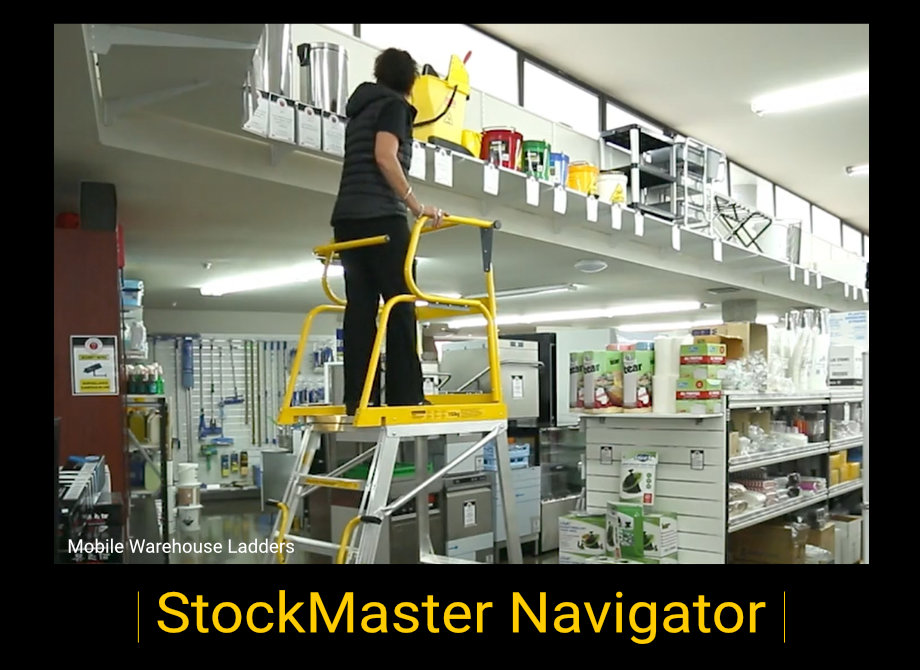
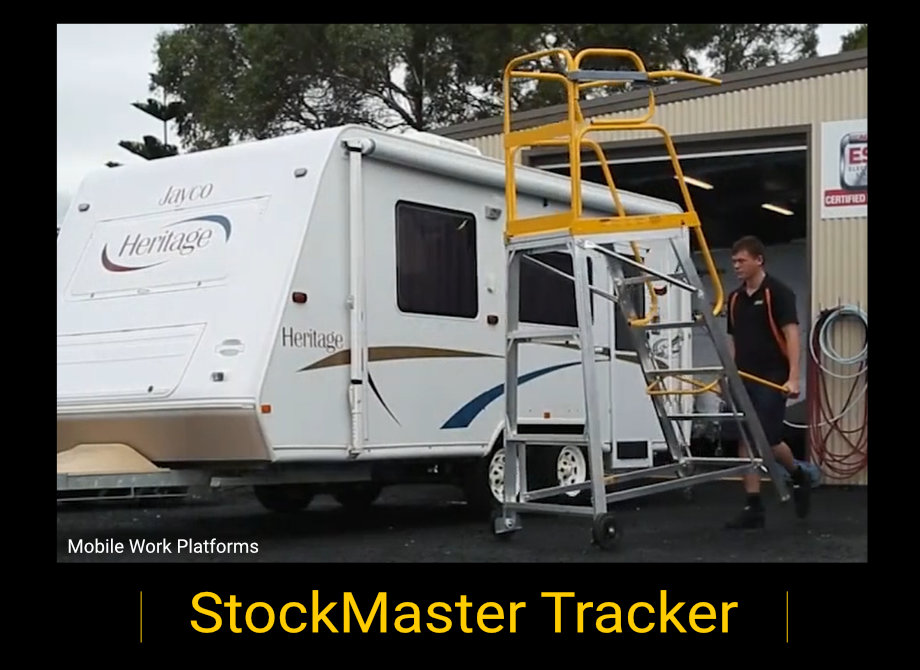
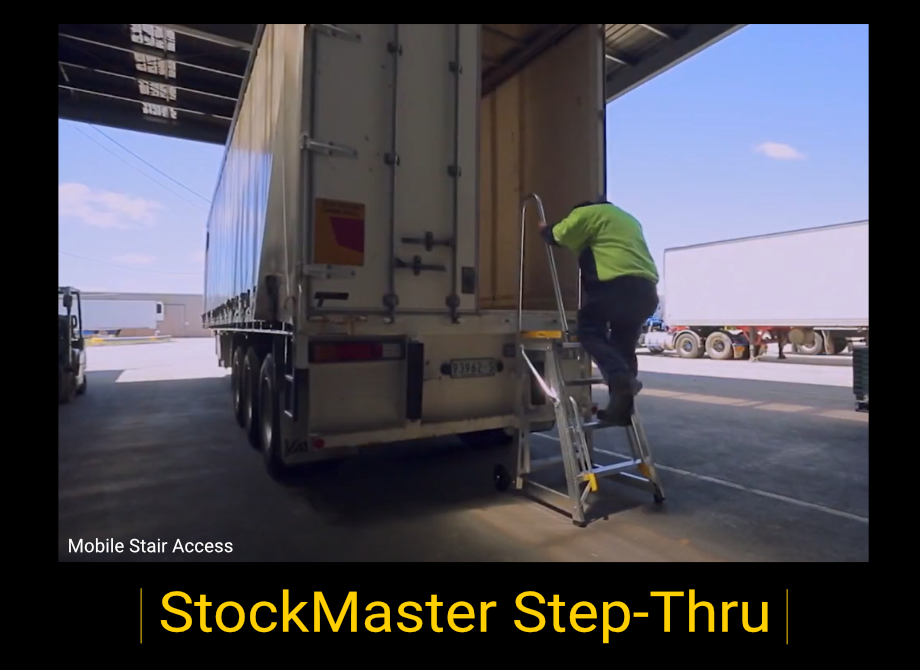
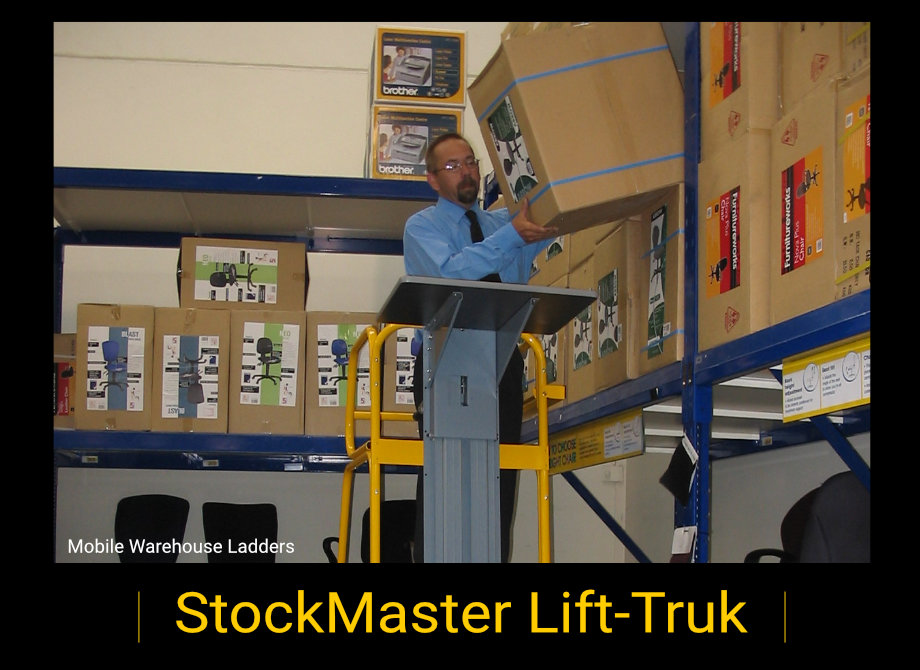
StockMaster New Zealand supplies professional access equipment designed to provide safe and efficient access for workplace applications. We also recognise the importance of selecting appropriate equipment, understanding its intended use and following good workplace health and safety practices.
The information below provides an overview of relevant New Zealand health and safety responsibilities and guidance relating to the selection and use of access equipment.
Duties of PCBUs (Persons Conducting a Business or Undertaking)
Under New Zealand’s Health and Safety at Work Act 2015 (HSWA), a Person Conducting a Business or Undertaking (PCBU) has a primary duty of care to ensure, so far as is reasonably practicable, the health and safety of workers and that other people are not put at risk by the work carried out by the business.
This includes providing and maintaining a safe working environment, ensuring that plant and equipment are safe to use, and providing appropriate information, training, instruction and supervision.
Section 36 of the Act establishes the primary duty of care for PCBUs. Other provisions address the management of workplace risks and the responsibilities of PCBUs who manage or control workplaces and equipment.
The selection and use of access equipment should therefore form part of a business’s overall workplace health and safety risk management process.
Further information is available from WorkSafe New Zealand – Introduction to the Health and Safety at Work Act.
Duties of Designers, Manufacturers, Importers and Suppliers
The Health and Safety at Work Act 2015 also establishes specific duties for businesses involved in the design, manufacture, importation and supply of plant and equipment for use in workplaces.
Under sections 39–43 of the Act, these businesses have responsibilities to ensure, so far as is reasonably practicable, that the plant or equipment they design, manufacture, import or supply does not create risks to the health and safety of people who use, handle, maintain or otherwise interact with it.
These responsibilities include providing adequate information about the equipment, its intended purpose and its safe use.
StockMaster products are supported by product information and Risk Assessments to assist businesses in understanding the characteristics, intended applications and potential risks associated with the equipment.
Product Risk Assessments for applicable CLC products are available under Standards and Risk Assessments.
Workplace Risk Assessments and Equipment Selection
It is important to understand that a manufacturer’s Product Risk Assessment does not establish that a particular item of equipment is suitable for every workplace, application or task.
The responsibility for determining the suitability of equipment for a particular task rests with the PCBU selecting and using that equipment.
Before purchasing or using access equipment, the PCBU should undertake an appropriate workplace risk assessment, taking into account the nature of the task, working environment, access requirements, frequency and duration of use, potential fall hazards and the people who will be using the equipment.
The manufacturer’s Product Risk Assessment and operating instructions can form part of this process, but do not replace the PCBU’s responsibility to assess the specific workplace and task.
Equipment should be selected to suit the application, and workers should receive appropriate information, training, instruction and supervision in its safe use.
Standards and Product Compliance
Product standards establish requirements for the design, construction, performance and testing of particular types of equipment. Compliance with an applicable manufacturing standard is an important consideration when selecting workplace access equipment.
However, compliance with a product standard does not, by itself, establish that the equipment is suitable for every application or workplace condition.
For example, the AS/NZS 1892 series relates to portable ladders. Other types of access equipment may be subject to different standards or technical requirements, depending on their design and intended application.
StockMaster products are manufactured and assessed against the standards and technical requirements applicable to their respective product types. Details of relevant standards and available Product Risk Assessments can be found on our Standards and Risk Assessments page.
Additional Health and Safety Information
The following New Zealand resources provide further information about managing workplace risks, working at height and the safe selection and use of ladders and access equipment.
- Working at Height in New Zealand – WorkSafe New Zealand
- Safe Working with Ladders and Stepladders – WorkSafe New Zealand
- Equipment for Working at Height – WorkSafe New Zealand
- Introduction to the Health and Safety at Work Act 2015 – WorkSafe New Zealand
- Health and Safety at Work Act 2015 – New Zealand Legislation
The information provided on this page is intended as general guidance only. It does not constitute legal advice or replace the requirements of applicable legislation, regulations, standards or workplace-specific risk assessments. Businesses should refer to WorkSafe New Zealand and other relevant authorities for guidance applicable to their particular circumstances.